I'm Bad At Planning: Part 1

Music Marketting

     At the start of this project, I didn’t know what to expect. For the first day of the project, I was in a car that was about to drive 7 hours up to tallahasee. However I was able to communicate with my group through text message. I was pleasantly surprised with the genre my group and I were given seeing as it fit my personal music taste. From the start I was leaning towards the song Time Is Running Out by the band Muse, since I was already familiar with both the song and the band. Luckily, my group also agreed on the song. This leads us to problem #1: Coming up with an idea. The planning process started off slow. The whole first weekend of the project we did close to nothing in terms of deciding what we wanted to do and how we wanted to go about it. It wasn’t until our first meeting in class the next week that we planned out a schedule for ourselves and figured out our goal for the music video. The plan was: I would work on the storyboard, and we’d split the work on both the research chart, and the presentation. 

    We decided to film that very same weekend meaning the storyboard had to be done by Friday latest. This was because our schedules didn't allow for us to film any later. I began working on the storyboard on Wednesday of that week with my group and got about halfway done with it by thursday. However this is where problem #2 arose. We started a storyboard with a somewhat fleshed out idea of our story. Our outline was a list of basic plot points we wanted to include for the story, as well as a plan to include footage of the band. But that was the extent of it, an outline. While working on the storyboard, it became harder and harder to fill in the gaps in the timeline to fill the time of the video. Although I was eventually able to think of some shot sequences to fill time, the worry of the footage not being enough for the 4 minute song began to reach the forefront of my mind. I didn't end up finishing the storyboard until Saturday night, just a few hours before we had to film. This foiled the plan to come up with a detailed filming schedule.

    All this doesn't even account for problem #3: having a marketting strategy. After the first day of planning, I realized we had only worked on half the battle. The other half being, creating a markettable brand for our artist. This problem, was thankfully the easiest to solve for me, seeing as this was a genre I was already familiar with. Having noticed the many marketting trends the artists I listen to followed, I was able to breath a sigh of relief, now knowing our idea for the music video fit a potential branding strategy for our band. I spent much of my 3rd period on Friday brainstorming and developing a strategy our band could follow. If our music video represented the issue of drug addiction, than our brand needed to be in some way related. By the end of my 3rd period, I had a full outline of how the the brand would function and I presented the idea to my group the following class period. 

     All in all, the planning process was a little bit hectic. There are definitely a couple of things I would do differently next time, like fully develop a story for the video before making the storyboard, starting the brainstorming earlier, and taking into consideration other elements of the project ahead of time. It's safe to say I've learned my lesson.

An Introduction To The Psychological Thriller Genre

What Is It?

    Put simply, the psychological thriller genre explores the psychology of it's characters, and puts on display the unsettling truths about human nature. The genre is meant to create a feeling of paranoia, suspense, and mysteriousness. Films that fall under this genre usually focus their plots around internal conflicts and it's characters are usually driven by violence, obssession, power, and arrogance.

Content

    Elements such as mystery, mental illness, crime, unreliable narrators, and major plot twists, all make up the conventions of this genre. Films within it usually include a characer (usually mentally ill) who struggles with an internal conflict than may drive them to crime or violence. 

Mystery: The cause of the conflict usually left for the viewers to interpret until the very end of the film. This helps to create a lot of the tension films in this genre rely on. By making the viewer follow the characters as they unravel a mystery, it assists in maintaining immersion.
frame from: Silence of the Lambs
Character: Hannibal Lecter
suffers from: Anti-Social Personality Disorder
Mental Illness: There is usually a character that has some sort of mental illness, adding that element of internal conflict to the story. It helps to explore the darker parts of the human mind as this characters mental illness is usually given some sort of exposition. It adds a level of intrigue as the average viewer is most likely not suffering from the same mental illness as the character, creating curiosity and suspense as to how this illness may affect the characters actions, and whether or not it'll be helpful or hurtful to the journey.

        Criminals and Unreliable Narrators: These element goes hand in hand with the mystery element, seeing as films within this genre usually involve solving the mystery of a crime that's been committed, following a narrator who may be deliberately lying or twisting how events truly occurred, or the characters are present as a crime takes place cause the movie to follow the psychological trauma said crimes may impose on the characters. Crime also plays a huge role in character designs. Films in this genre may include a criminal as a main antagonist or as an important part of the plot. The unreliable narrator also helps to keep the viewer guessing as to what the true story may be, and if they'll ever find out about it. The reveal of this character also serves to add to the paranoia the genre is trying to create.

         Major Plot Twists: This element serves the purpose of keeping viewers on their toes as they follow along with the story. The goal is to defy the expectations of the viewer and keep them from being able to predict the outcome. It is the reason films in this genre are very easily ruined by spoilers seeing as the main point is to be surprised by the twists and turns the story, and it's characters take. It also helps to solidify that feeling of paranoia and suspense.

Production Techniques

        Camera/Shot Techniques: Slow push ins, zooms, and dolly zooms are often used to draw focus towards important elements of the story that may come into play later. They are also used to create suspense as a character reaches a conclusion or comes to a realization. These elements help to create the suspenseful and mysterious atmosphere of the films. Low angles and high angles are often used to display the power struggle, balance, or imbalance between characters. They may help make the antagonist seem more powerful or illustrate a fight between two characters trying to get the upper hand. Close-ups are also used to illustrate claustrophobia or to show an emotion a character is feeling. 

        Sound: Non-Diagetic eerie or unsettling music usually tends to be in the background of scenes that are supposed to be tense in these types of films. These sounds help to create a sense of dread as the audience is made aware that something important is about to happen. Although, some movies in this genre take advantage of the absence or sound in order to make the audience feel uncomfortable.

        Mise-en-scene: The setting usually takes place somewhere familiar such as a home or a city. In doing so, it helps to draw the focus less on the setting and more on the characters themselves. It also help to draw in that idea that familiarity doesn't necessarily mean safety. Mirrors and reflective surfaces are often used as props to showcase an internal struggle within a character, or to focus on the character's feelings. The contrast between dark colors and bright colors is also often used to create a juxtoposition between the antagonists and protagonists. 

        Editing: Quick editing is often used in psychological thrillers to create a sense of disorientation, or in moments with hightened emotions. Shot/counter shots are also often used to demonstrate struggles between characters, whether it'd be the protagonists and antagonists, or protagonists against each other. Psychological thrillers are also backlash heavy as these help to provide context as to a characters backstory, or to highlight an important moment within the plot. They also help to make the audience feel closer to the characters as they learn more about them.

Marketing

        The audience for these films usually consists of young adults. This is likely due to this demographic being more inclined to understand the mind behind the mayhem. With true crime growing in popularlity, psychological thrillers following that same vein tend to market towards the young adult true crime audiences. 
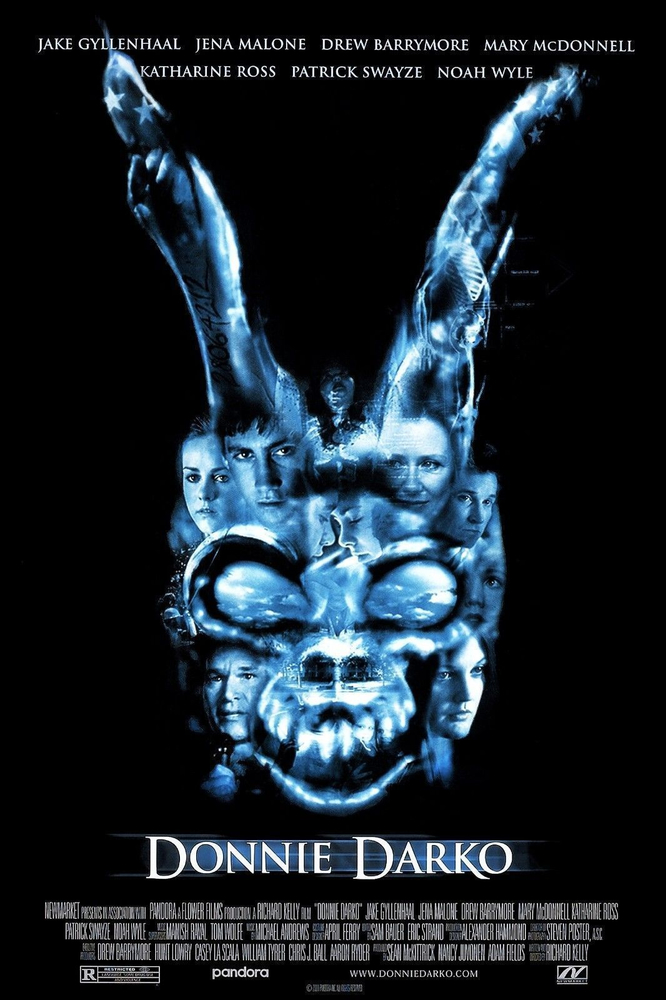
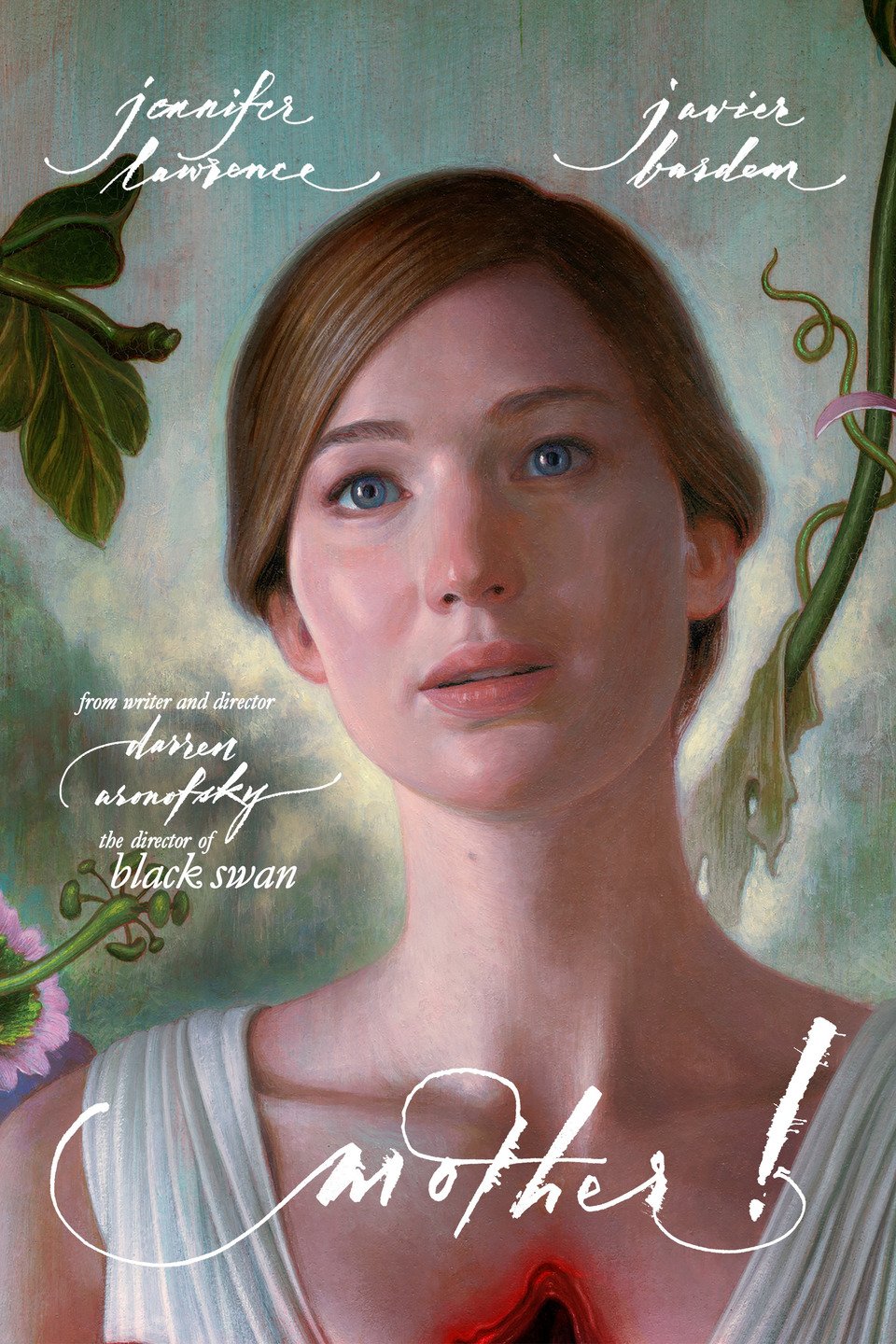
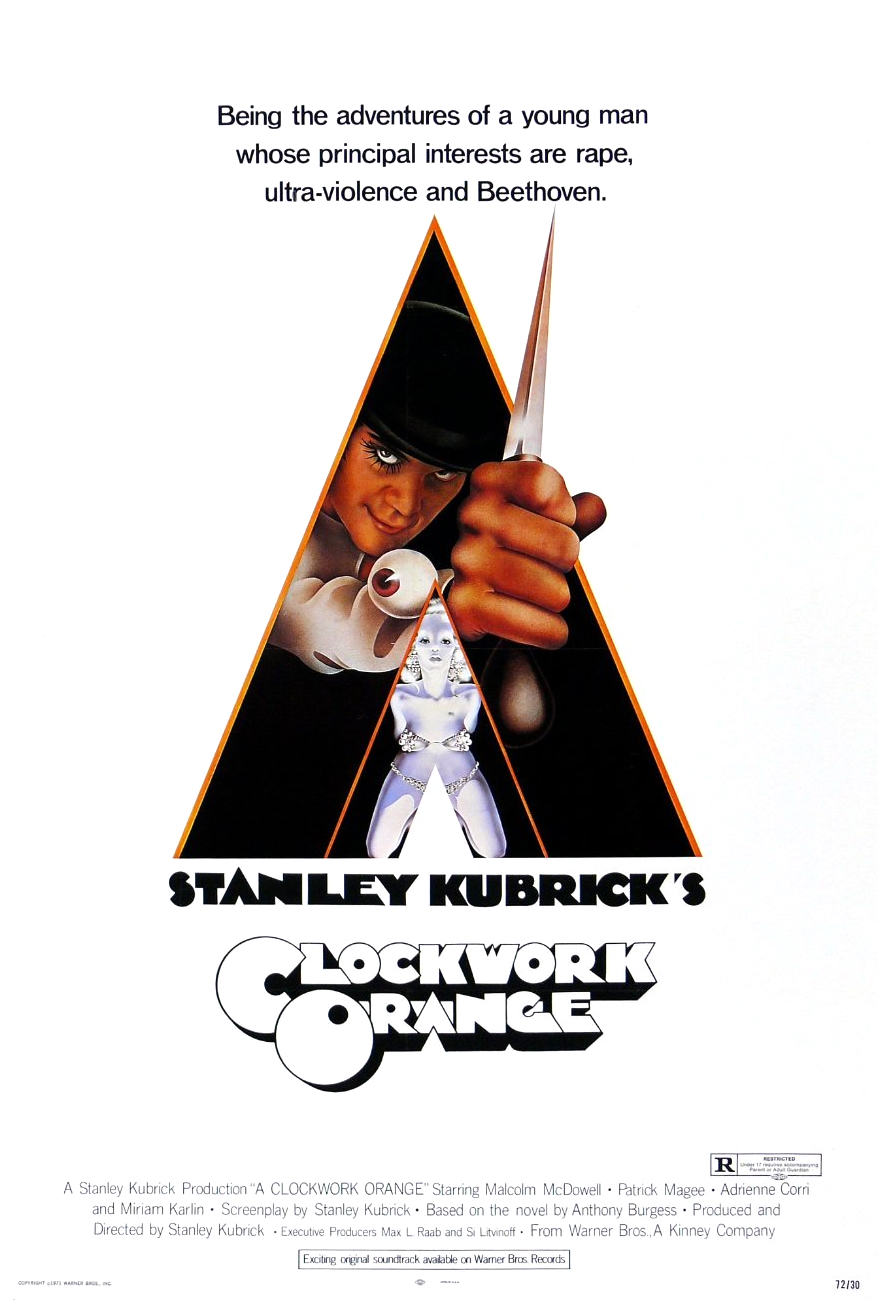
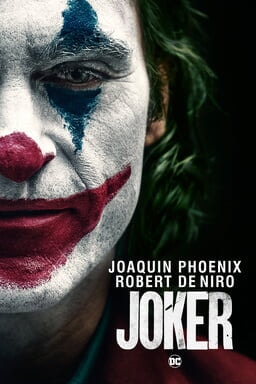
        This genre also tends include the faces of it's characters in posters, usually displaying an emotion of some kind, really emphasizing the psychological part of a psychological thriller, seeing as the story normally relies more on the trauma it's characters experience.
        Trailers often involve some sort of narration from a character, leaving out important details of the story in order to draw viewers in to seeing the movie. They also tend to start off with mundane situations before given teases and hints at the end of a broader mystery.

Samples

Silence of the lambs

The film, Silence of the Lambs, is about journalist Clarice Starling who, with the help of genius psychiatrist and psychopathic cannibal Hannibal Lector, attempts to unravel the mystery surrounding a serial killer on the loose. During dialogue scenes between Clarice and Hannibal there is heavy use of close-ups and shot/counter shots to demonstrate a struggle for control of the conversation between the two, as Clarice tries to gain valuable insight, and Hannibal tries to gain his freedom from prison.


Nightcrawler

The film, Nightcrawler, depicts a stubborn man by the name of Louis Bloom trying to find a job, and eventually finding success in the tv industry documenting breaking news. The movie uses a lot of low level lighting given that most of it takes place at night, creating an eerie, unwelcoming atmosphere. The character of Louis Bloom is also often depicted using low angle shots to de
monstrate his ability to manipulate others into giving him what he wants. The movie is also keen on using silence as a way to build tension and make the audience feel uncomfortable.


Other Examples


Beginnings

     Hello there!

My name is Sam and this blog was created for the AICE Media AS Level class I'm taking. Here I will document the many things my mind is up to when it comes to producing content. As an avid enjoyer of film and television, and as someone who already loves creating content, I'm hoping this blog can serve as yet another source of entertainment for others. I'm also excited to witness my growth in this field with every post. 

As someone who grew up frequently going to the movies with their family, I've grown a soft spot for this type of entertainment so much so I'd started taking interest in the process behind the productions. I'd live and breath any online video that was on film elements like writing, music, acting, camera work, and everything in between. Now as I learn to produce these kinds of projects, my goal is to be able to implement all of these elements, to create a cohesive, captivating, and creative story. 

I also love cats.

FILM OPENING

 Here it is in all it's glory